
DO YOU HAVE A SECOND BRAIN?
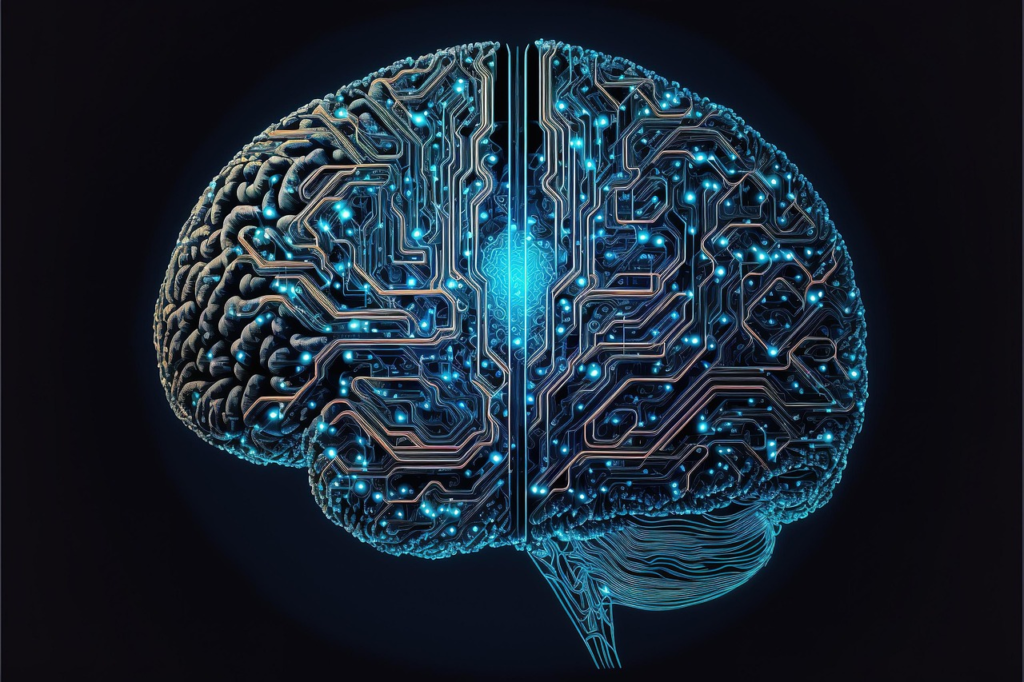
Does the body have two brains? I’m not a medical professional but I am pretty sure the body has one brain, or at least one organ called a brain. That being said, there is a situation in the stomach area of every human that has almost the same number of neurons as the brain, allowing it to operate independently of the central nervous system as if it was a second brain. The technical name of the second brain is the Enteric nervous system (ENS). The ENS plays a big role in our daily lives and should be taken into consideration when we think of maintaining the body and mind.
NEURONS: Fundamentally, neurons are units of the brain and nervous system. They are specialized cells tasked with receiving, processing, and transmitting information through electrical and chemical signals.
THE ENTERIC NERVOUS SYSTEM (ENS)
The enteric nervous system is a complex network of neurons found in the walls of the gastrointestinal tract. The ENS operates independently of the central nervous system while still having the ability to pass information between the gut and the brain via the vagus nerve. This communication network is known as the gut–brain axis. This network plays a vital role in tying together gut health and mental health.
YOUR GUT AND YOUR MOOD
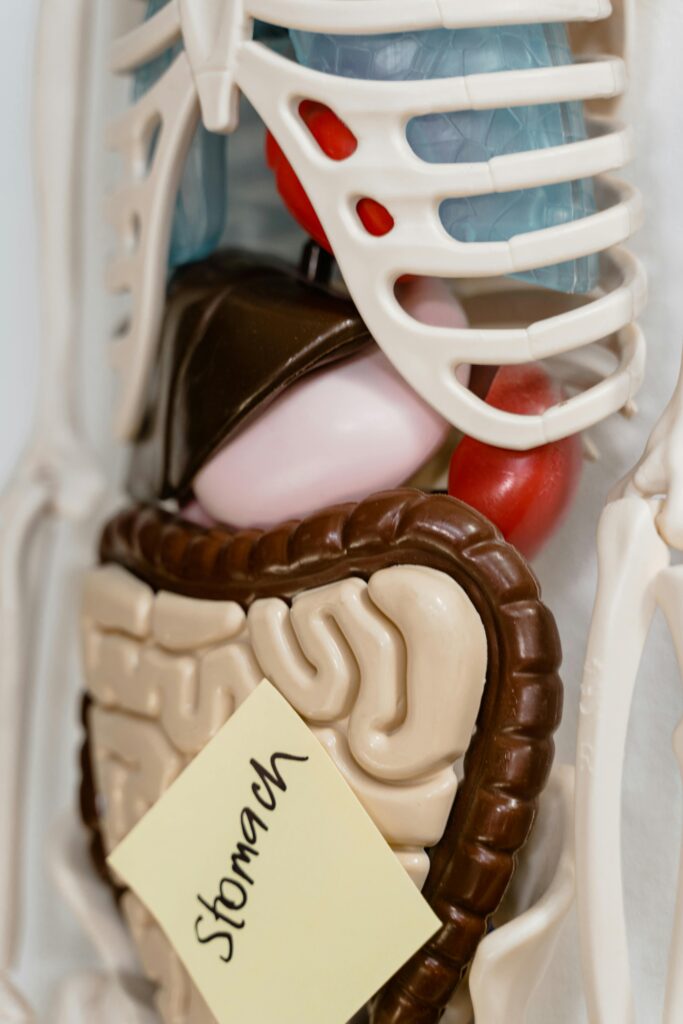
The same neurotransmitters released in the brain are also released in the gut. A very important neurotransmitter called serotonin is mostly produced in the gut. Serotonin is paramount when it comes to mood regulation, so our gut health closely influences our mood and emotions. The gut bacteria directly interact with the ENS, which also contributes to your mood. Mental stress can greatly impact your gut health, leading to digestive issues like irritable bowel syndrome. In turn, this can greatly alter your mood, exacerbate emotional problems, and create a negative feedback loop in the gut-brain axis.
A feedback loop is when there is a change in one part of a system that influences another part of the system, causing a change that sends a signal back to the other end of system creating a loop. The body uses this mechanism in a regulatory manner to help maintain and balance system stability, essentially creating a loop of information that influences action- in this case, within the gut-brain axis. Basically, negative conditions in the mind result in information being passed that will greatly influence the gut, causing the gut condition to alter. Thus, the gut sends its own negative signal back to the brain, causing a loop. This can lead to negative impacts on gut microbiology, hormonal changes, and emotional instability.
GUT-BRAIN AXIS KEY COMPONENTS
CENTRAL NERVOUS SYSTEM (CNS): The central nervous system is the body’s main nervous system. It includes the brain, spinal cord, and the autonomic nervous system, including the sympathetic and parasympathetic nervous branches.
ENTERIC NERVOUS SYSTEM (ENS): The ENS is a network of neurons found in the gut. It operates independently of the cental nervous system while still directly communicating with the CNS.
GUT MICROBIOTA: The gut microbiota is the diverse community of microorganisms in the intestines which plays a crucial role in commutating information to the brain in a way that affects behavior, emotions, and gut function.
VAGUS NERVE: The vagus nerve is the primary pathway for the gut-brain axis, transmitting information in both directions.
HORMONES & NEUROTRANSMITTERS: Serotonin, dopamine, and cortisol are some of the molecules produced in both the gut and brain which regulate mood, digestion, and stress.
KEEPING BOTH BRAINS HEALTHY
Keeping the gut and the brain in a healthy state is crucial for overall well-being. The bidirectional communication between the gut and the brain heavily influences mood, cognition, and digestion. That being said, gut health is easily overlooked as a part of maintaining a healthy, prosperous life.
WAYS TO KEEP THE AXIS HEALTHY
- HIGH FIBER FOODS: Fiber rich foods like fruits, vegetables, whole grains, and legumes support the gut microbiome.
- PROBIOTICS: Fermented foods like yogurt, kefir, kimchi, and sauerkraut aid in boosting beneficial bacteria in the gut.
- PREBIOTICS: Non-digestible fibers from foods like garlic, onions, bananas, and asparagus promote growth of good bacteria.
- HEALTHY FATS: Omega-3 fatty acids, found in fatty fish along with flax seed, support brain health and reduce gut inflammation.
- POLYPHENOLS: Polyphenols support brain and gut health. They can be found in berries, dark chocolate, and green tea.
- PROPER HYDRATION: Staying hydrated supports digestion and the movement of nutrients essential for gut and brain health.
DAILY PRACTICES FOR A HEALTHY GUT AND BRAIN
Relieving daily stress is not just important for the gut and brain, but also for the body. Practices like mindful meditation, exercise, yoga, and breathing exercises bring on positive interaction within the gut–brain axis. Adequate sleep is needed to keep the gut microbiome healthy, which is important for mental health. Limiting antibiotics and unnecessary medication will keep the gut-brain axis functioning in a healthy manner. Regular exercise and a diet high in whole foods but low in sugar and processed foods is a good approach to health, not just within the gut–brain axis but also the body as a whole. If possible, avoid high alcohol consumption, as well as smoking and vaping nicotine.
MINDFUL GOODBYE

Mental health is imperative for the long journey we call life. Keeping the mind in good health allows us to live to our full potential as conscious beings. Not all may agree, but there’s a creative potential that comes from a healthy mind that can make life more fun. Being in poor mental health can make life more difficult than necessary, though not everyone has a choice in their mental state. If you have the ability, keeping the mind healthy should be top priority. Whether you have a limiting mental health condition or not, keeping the gut microbiome healthy through good nutrition can only help any condition of the mind or body. This was not written by a medical health professional. It is meant only as an informational resource. May this article direct you towards more information that contributes to a healthy, fulfilling life.