
BASIC HYPERTROPHY

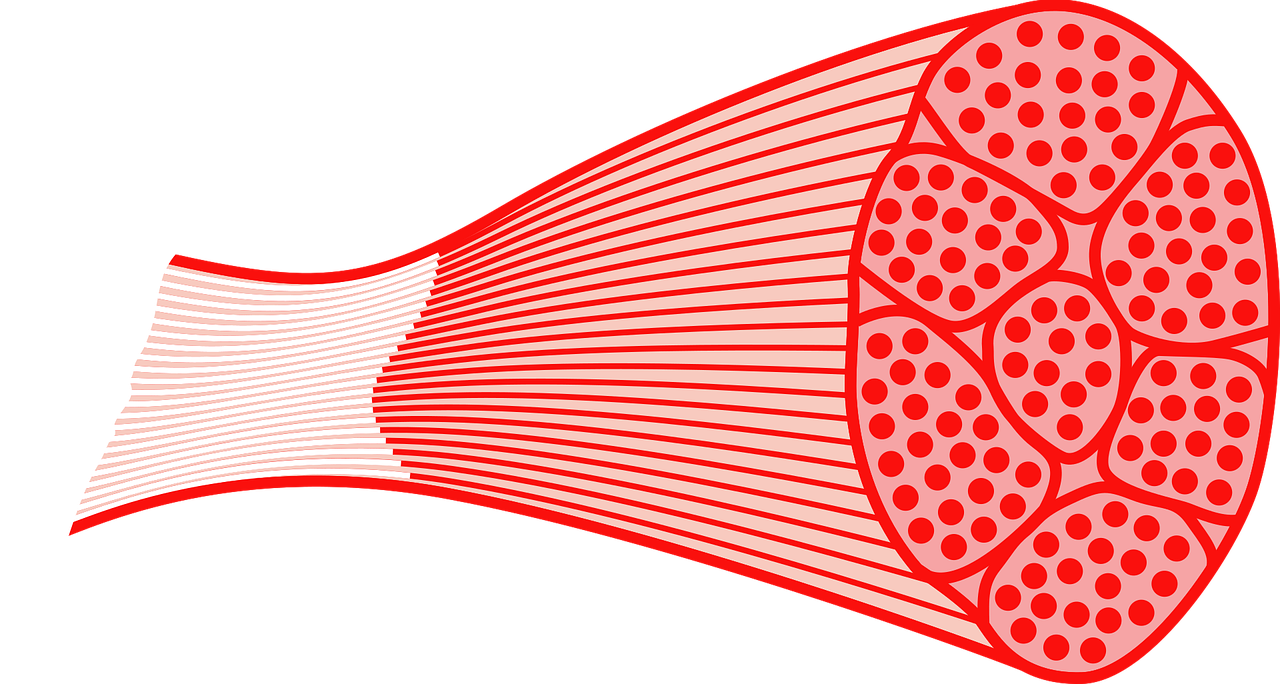
Hypertrophy is the increase and growth of muscle cells. It’s a fancy way of saying muscle growth through exercise. Though it’s not rocket science, when thinking of putting on a little size or, in some cases, losing a little size, there are specific approaches for specific results.

TYPES OF HYPERTROPHY
MYOFIBRILLAR HYPERTROPHY
Myofibrillar hypertrophy is the increase in size and number of contractile muscle fibers called myofibrils. Myofibrils are long, thread-like structures that are located inside muscle cells and cause muscle contraction. Myofibrils are made up of repeating units called sarcomeres, which contain the proteins actin and myosin that slide past each other to produce movement. Myofibrillar hypertrophy should be considered when looking to increase muscle strength and density.
(EXAMPLE) POWERLIFTING: Heavy lifting with low rep ranges results in strong dense muscle for maximum strength, with an emphasis on strength and power over sheer size.
SARCOPLASMIC HYPERTROPHY
Sarcoplasmic hypertrophy is the increase in fluid and energy storage components called sarcoplasm. Sarcoplasm is the cytoplasm located within the muscle cells. It’s a gel-like substance that covers the myofibrils (the contractile elements in muscle fibers) and holds within it important components like water, proteins, enzymes, and nutrients. Simplified:
- Sarcoplasm: Muscle cell’s cytoplasm
- Contents: Water, proteins, enzymes, glycogen (energy), and mitochondria (energy producers).
- Purpose: The medium for the chemical reactions needed for muscle contraction and energy production.
It’s similar to the cytoplasm in other cells but has components that support muscle function and energy needs. Sarcoplasmic hypertrophy leads to muscle growth and size with less contribution to strength, as in the case of myofibrillar hypertrophy. The sarcoplasmic approach to exercise is more geared towards size, which is the preferred approach in bodybuilding.
ENCOURAGING HYPERTROPHY
Encouraging hypertrophy (muscle growth) requires a combination of training approaches, nutrition, recovery, and lifestyle organization.
TRAINING
PROGRESSIVE OVERLOAD: Gradually increase the intensity of workout by adding weight, repetition, and/or volume of sets.
TIME UNDER TENSION: Slowing down reps allows the muscle to be under tension longer allowing for more muscle fiber recruitment.
VOLUME OF REPS/COMPOUND MOVEMENTS: The ideal rep range is 3-5 sets for 8-12 reps, especially when it comes to your basic compound movements which build a basic foundation of strength. Examples are squats, deadlifts, bench press, and rows.
ISOLATION EXERCISES: For specific muscle targeting, isolation movements should be the focus. Examples are bicep curls, triceps pushdowns, and leg extensions. This allows balance across muscle groups and adjustments for uniform growth.
WAYS TO KEEP THE BODY GUESSING: The key to encouraging the most muscle hypertrophy possible is keeping the body from completely adapting to a workout.
- DROPSETS: Go until failure, then lower the weight and continue without a rest between sets.
- SUPER SET: Pair two separate exercises as one single set.
- REST-PAUSE SETS: After reaching failure, pause for 10-15 seconds, then continue on to the next set.
OPTIMAL REST IN-BETWEEN SETS: A rest period of 30-90 seconds between sets will ensure optimal workout intensity while promoting metabolic stress. Shorter rest periods put the body under more stress, encouraging muscle growth and hormone production.
CONCENTRIC AND ECCENTRIC MOVEMENTS
CONCENTRIC
Concentric movements are the positive phase, or the up part of your repetition. In the concentric phase, the muscle shortens as it contracts to overcome resistance.
ECCENTRIC
Eccentric movement is the negative phase of the repetition, or the return to the start point. This involves the lengthening of the muscle.
ENSURING HYPERTROPHY
For optimal muscle growth and development, adequate protein intake is mandatory. A basic rule of thumb to go by is .5 to 1.0 gram of protein for every pound of your body weight daily. It is very important to ensure you’re intaking enough calories for muscle growth and repair. Extra calories are needed daily. Placing carbohydrates before and after exercise will help to fuel the workout and aid in recovery. A diet that includes healthy fats like avocados, nuts, and olive oil helps to support hormone production, specifically testosterone in males. Proper hydration is always important for any lifestyle, active or not.
RECOVERY AND SLEEP
Optimize recovery by prioritizing sleep. Sleep is one of the best natural medicines, especially when it comes to muscle growth and recovery. A minimum of 7-9 hours of sleep per night will ensure your muscles repair and grow while also contributing to optimization of hormones.

GIVE YOUR SELF TIME TO GROW
Instant gratification is nice in life, but it is rare with anything worthwhile. Good things take time to develop. Patience and consistency are key when approaching muscle hypertrophy, especially when it comes to realistic expectation. Real bodily changes take time to compound and bring on a lasting effect, so for those just starting their hypertrophy journey- be kind to yourself. Some weeks, you may not be able to do as much as you did the week before and that's perfectly ok. Do your best to stay out of the past and focus on the now. Focus on your next move, which is to continue working at it. Real, lasting gains come from a yearly effort, especially when it comes to hypertrophy. This statement was not written by a fitness expert or medical professional. This article was intended to be a start point for the reader to begin from, to inform and encourage further research on the topic of muscle hypertrophy.